

It starts easily: you open your phone to read an article or scroll through a news app. Ten minutes later, you’ve clicked through five links, checked two notifications, and barely remember what you were reading in the first place.
Sound familiar?
If you’ve ever felt like your brain works differently when reading on a screen compared to holding a book, you’re not imagining it. And science backs you up.
Once upon a screen: my “aha” moment
I used to swear by my Kindle. Lightweight, convenient, and always by my bed. But when I found myself re-reading paragraphs, struggling to retain characters in novels, and skimming instead of sinking in, I chalked it up to burnout.
Then, during a vacation, I picked up a dusty paperback. Within 20 minutes, I was engrossed—no distractions, no skimming, and every chapter glued into my memory. Why was this experience so different?
I went down the rabbit hole of neuroscience and education research. What I found completely changed the way I read—and how I think about screen time, especially for my kids.
The screen reading trap—and why our brains resist
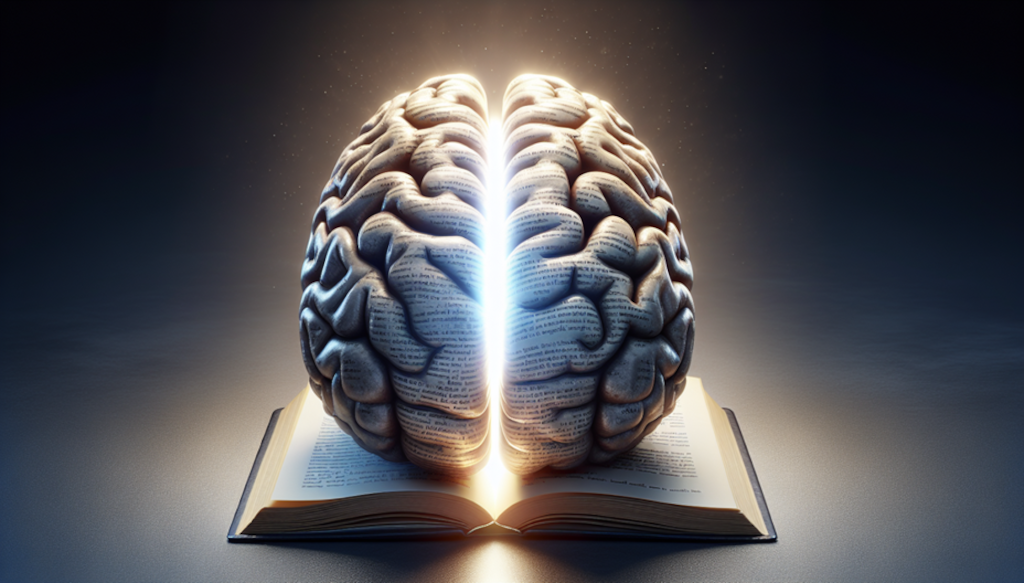
Decades of research reveal what’s now being called the “screen inferiority effect”: people comprehend and retain less when reading on screens than in print. And it’s not just about convenience—it’s biological.
- Skimming culture: On screens, we read faster—but superficially. A study from Norway found that students who read a story on paper understood it better than those who read the same story on a Kindle.
- Sensory memory loss: Physical books let us mark where we are, feel page thickness, and even remember content by where it appeared on the page. These tactile and spatial cues help build “mental maps.” With screens, this feedback is lost.
- Multitasking minds: On average, screen readers get bombarded with pop-ups, ads, notifications, or even the temptation to “just switch apps for a second.” The result? Fractured attention and shallow processing.
How screens shape growing brains
In children and teens, this difference goes deeper, literally.
MRI scans from studies at the Cincinnati Children’s Hospital in 2019 revealed that more time spent with screens correlates with weaker development in brain regions tied to language, executive functioning, and reading comprehension. In contrast, reading printed books is linked to stronger neural connections related to focus, empathy, and cognitive control.
This doesn’t mean screens are “bad”—but it emphasizes that print nurtures the brain in a way digital rarely does, especially when it comes to deep reading and learning.
But wait… aren’t screens great for short-form content?
Yes—and that’s the catch.
Studies do show that for short or simple texts (like news blurbs or emails), screens perform just fine. It’s when we dive into complex, lengthy, or demanding material—novels, essays, or critical thinking assignments—that screens start to fail us.
Think of it like this: Reading on a screen is like snacking. Reading in print is like sitting down for a nourishing meal. Both have their place, but one feeds you better long term.
How to work with—not against—your brain
If you want to get the most out of your reading—whether for learning, memory, or enjoyment—here are a few science-backed tips:
- Pick print for depth: When reading anything long, complex, or emotionally rich, reach for paper. Let your mind slow down and engage fully.
- Create screen boundaries: If you must read digitally, disable notifications and read in “focus mode” to mimic the immersive experience of paper.
- Cut screen clutter for kids: Make reading a physically engaging, screen-free activity for children, ideally with real books and real page-turning.
One page at a time
We live in a digital world, and screens aren’t going anywhere. But as the research shows, our brains—and our kids’ developing minds—still long for the quiet, focused, tactile world of paper.
So the next time you’re reaching for your phone to read… consider grabbing a book instead. Your brain will thank you for it.
Challenge: Try reading your next novel, essay, or thought-provoking article in print. Notice how it feels. See what you remember. You might be surprised by how much deeper you go—one page at a time.

Leave a Comment